
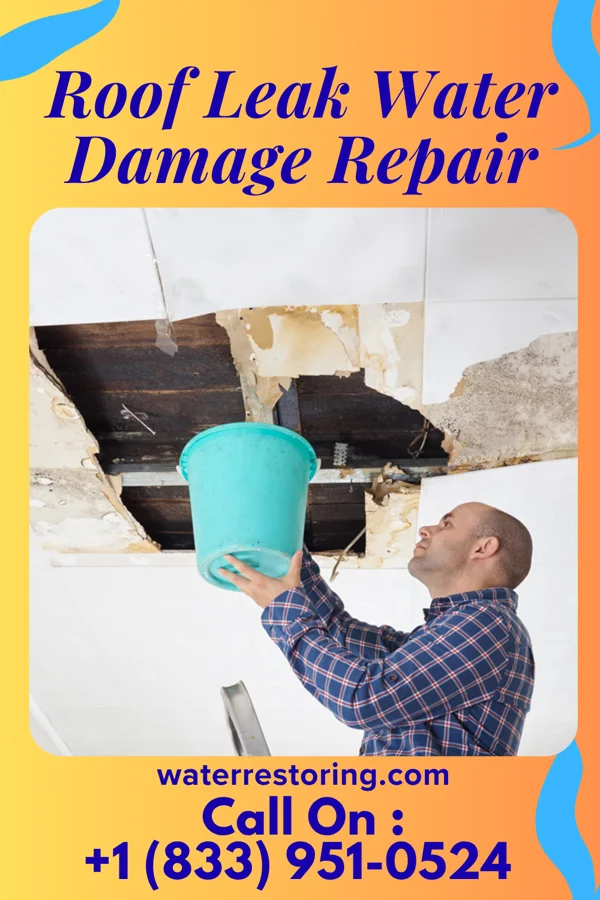
Hatboro Storm Roof Leak Drivers
Water damage in Hatboro tends to cluster in predictable windows because of the local climate. Hatboro experiences frequent thunderstorms during the spring and summer months, which can lead to sudden and heavy rainfall. These storms often result in flash flooding, especially in low-lying areas near Warminster Heights and Willow Grove. The combination of intense downpours and high humidity increases the risk of roof leaks and water damage. A close second is In the fall, Hatboro can see a shift in weather patterns with sudden temperature drops and strong winds, which can cause roofing materials to expand and contract, creating gaps. Additionally, the region's proximity to the Delaware River means that heavy rains can lead to prolonged water exposure on roofs..
The humid summers and frequent storms in Hatboro create a perfect environment for water infiltration. This can lead to mold growth, wood rot, and structural damage if not addressed promptly. The area's rural setting also means that some properties may lack proper drainage, exacerbating the risk of water damage.
The humid summers and frequent storms in Hatboro create a perfect environment for water infiltration. This can lead to mold growth, wood rot, and structural damage if not addressed promptly. The area's rural setting also means that some properties may lack proper drainage, exacerbating the risk of water damage. The dominant local driver is Hatboro experiences frequent thunderstorms during the spring and summer months, which can lead to sudden and heavy rainfall. These storms often result in flash flooding, especially in low-lying areas near Warminster Heights and Willow Grove. The combination of intense downpours and high humidity increases the risk of roof leaks and water damage., with In the fall, Hatboro can see a shift in weather patterns with sudden temperature drops and strong winds, which can cause roofing materials to expand and contract, creating gaps. Additionally, the region's proximity to the Delaware River means that heavy rains can lead to prolonged water exposure on roofs. showing up as the next most common cause. Damage builds in stages. Spread. Absorption. Microbial growth. Structural compromise. Every stage you pass through adds to the final bill.